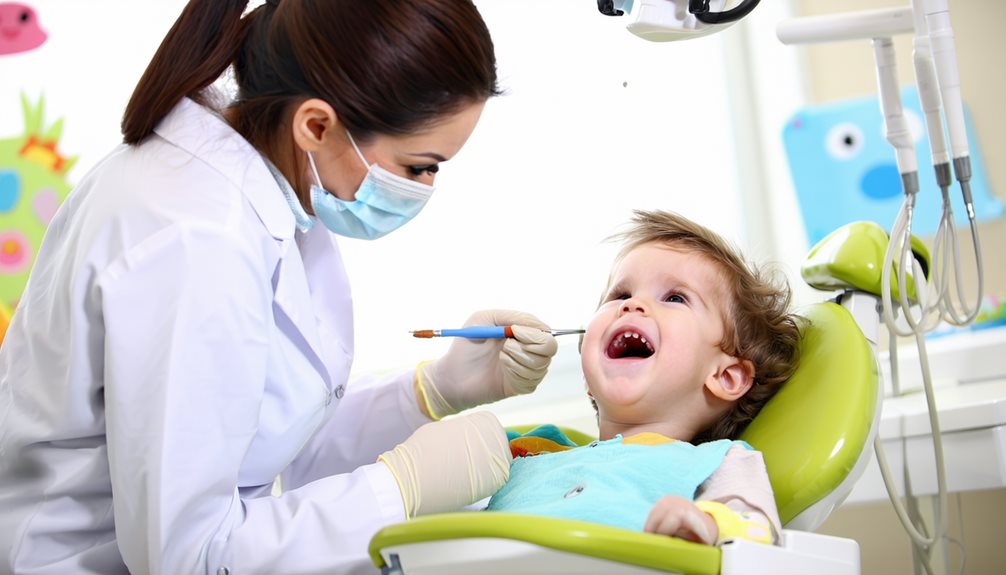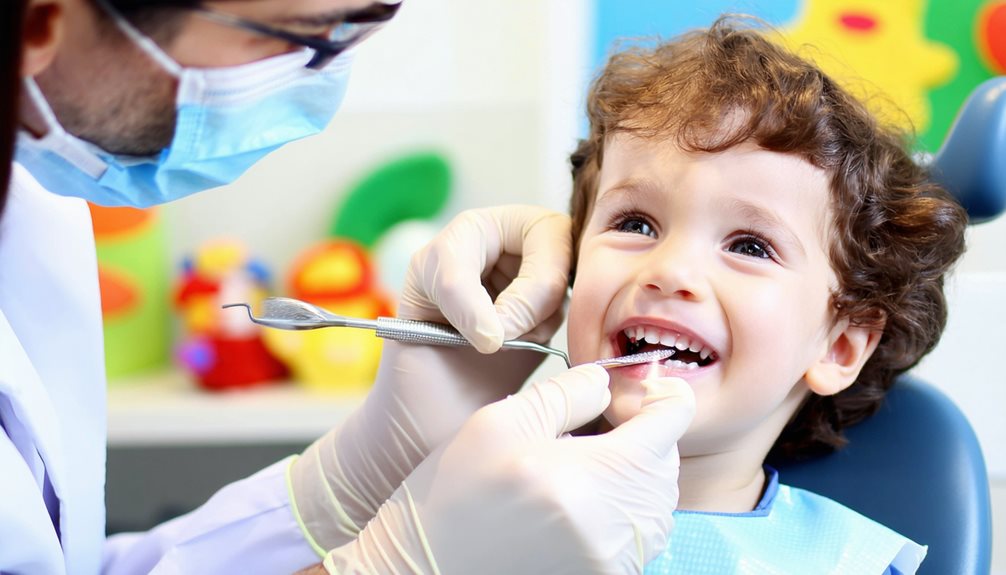
When selecting a pediatric dentist for your child’s braces, it’s essential to contemplate their specialized training and experience in orthodontics for young patients. Look for board certification, as it signifies adherence to high standards in pediatric dentistry. Well-trained dentists understand child-specific growth patterns and utilize soothing techniques to manage dental anxiety. Evaluating patient reviews can provide insight into a dentist’s attentiveness and success with children. Location and accessibility should also influence your choice, ensuring visits are convenient and reduce stress. For parents enthusiastic to make the most informed decision, further exploration into these elements can be beneficial.
Understanding Pediatric Dentistry
Pediatric dentistry is a specialized branch of dental care dedicated to the oral health needs of children from infancy through adolescence. It combines expertise in dental health with a gentle, understanding approach that helps young patients feel at ease.
Pediatric dental care is not just about treating tiny teeth; it’s about fostering lifelong habits of good oral hygiene that will benefit children as they grow.
Innovative techniques and child-friendly tools are at the forefront of pediatric dentistry, ensuring that visits to the dentist are both effective and stress-free. Pediatric dentists are experts in tailoring dental care to meet the unique needs of growing children. They understand that a child’s first experience with dental care can shape their attitudes towards oral health in the future.
A pivotal aspect of pediatric dental care is educating children and their parents about the importance of child oral hygiene. With fun, engaging methods, dentists teach children how to brush and floss effectively, making these tasks part of a healthy daily routine.
This preventive approach not only keeps cavities at bay but also encourages a positive attitude towards dental visits, paving the way for a future filled with bright smiles.
Importance of Specialized Training
Specialized training in pediatric dentistry equips dentists with the skills needed to guide children’s orthodontic journeys with expertise and care.
Understanding growth patterns is essential, as children’s teeth and jaws are still developing, and a trained dentist can make the best decisions for their future smiles.
Additionally, these professionals are adept at easing any anxiety your child may feel, ensuring a comforting and positive dental experience.
Expertise in Child Orthodontics
When considering braces for your child, expertise is key. Selecting a dentist with specialized knowledge in child orthodontics guarantees your child’s dental journey is both effective and enjoyable. As children grow, their dental needs differ notably from adults. A skilled pediatric dentist understands child development intricately, tailoring treatment to fit each unique smile.
Here’s why expertise matters:
-
Child-Centric Approach: Specialized training equips dentists to handle the distinct psychological and developmental needs of children, making dental visits less intimidating and more engaging.
-
Advanced Dental Technology: Pediatric dentists are abreast of the latest dental technology, guaranteeing your child benefits from cutting-edge techniques and materials that promote comfort and efficiency.
-
Customized Treatment Plans: Expertise in child orthodontics allows for personalized treatment plans that evolve with your child’s growth, guaranteeing ideal results.
-
Preventive Care Focus: An expert in child orthodontics emphasizes preventive care, addressing potential issues early to avoid complicated treatments later.
Choosing a dentist with a deep understanding of child development and access to innovative dental technology not only reassures you as a parent but also makes the orthodontic experience exciting and forward-thinking for your child.
This investment in expertise is a step towards a healthy, confident smile.
Understanding Growth Patterns
A child’s smile is like a blossoming garden, constantly evolving as they grow. Just as a gardener understands the nuances of plant growth, a pediatric dentist with specialized training possesses the expertise to navigate the intricate growth trends of children’s teeth. This understanding is vital as it allows the dentist to anticipate and address any potential issues in dental development, guaranteeing that your child’s smile grows as beautifully as possible.
Pediatric dentists are specially trained to recognize how a child’s dental arches and facial structures develop over time. These professionals stay updated with the latest innovations in orthodontic care, allowing them to tailor treatments that respond to each child’s unique growth patterns. This guarantees that the braces not only correct alignment but also harmonize with the child’s natural development trajectory.
Selecting a pediatric dentist who comprehends these growth trends is a proactive step towards a healthier, more confident smile. By choosing someone who understands the dynamic nature of dental development, parents can rest assured that their child’s orthodontic care is in expert hands, paving the way for a future filled with bright, healthy smiles.
The right choice today fosters a lifetime of dental well-being.
Handling Pediatric Anxiety
Understanding growth patterns is vital, but addressing children’s emotional well-being during dental visits is equally important. Pediatric dentists with specialized training in handling anxiety can make a world of difference. They are skilled in creating calming environments and using innovative distraction techniques to guarantee each child feels comfortable and safe.
Selecting a dentist who prioritizes these aspects can be significant for a child’s positive dental experience.
Here are four key strategies pediatric dentists might use to mitigate anxiety:
-
Distraction Techniques: Dentists often employ engaging storytelling, interactive games, or even virtual reality to shift the child’s focus away from the procedure.
-
Calming Environments: Waiting rooms and treatment areas designed with soothing colors, gentle lighting, and soft music can help create a serene atmosphere.
-
Customized Communication: Dentists use child-friendly language and explanations to demystify procedures, making them less intimidating for young patients.
-
Parental Involvement: Encouraging parents to be present during visits can provide additional comfort to the child, reinforcing a sense of security.
Evaluating Dentist Credentials
When selecting a pediatric dentist for braces, it’s important to guarantee they have the right credentials to care for your child’s smile.
Check that the dentist is certified, as this shows they’ve met specific standards in dental care.
Additionally, assess their specialized training in orthodontics to guarantee they are equipped to handle your child’s unique needs.
Verify Dentist Certifications
Selecting the right pediatric dentist for braces begins with a careful examination of their credentials. Understanding certification requirements and verifying qualifications can guarantee your child receives the best care.
To simplify this process, here’s a helpful guide that will have you feeling confident in your choice:
-
Check Board Certification**: A certified pediatric dentist demonstrates that they have met rigorous standards and have the expertise to handle children’s dental needs**. Verification can often be done through dental association websites.
-
Review Educational Background****: Look for a dentist who has completed specialized training in pediatric dentistry. This indicates a strong foundation in both dental care and the specific needs of children.
-
Licensing Verification: Confirm the dentist holds a valid license to practice in your state. This confirms that they are legally authorized and have met all state-specific certification requirements.
-
Continuing Education: A dentist committed to ongoing learning stays updated with the latest innovations and techniques in orthodontics. This continuous improvement guarantees your child benefits from modern advancements.
Assess Specialized Training
After confirming the necessary certifications and licenses, the next step is to contemplate the specialized training of the pediatric dentist. Choosing a dentist with advanced training in pediatric specialties guarantees that your child receives care tailored to their unique needs.
Pediatric dentists with expertise in orthodontic techniques possess a deeper understanding of the developmental stages of children’s teeth and jaws.
When evaluating a pediatric dentist’s credentials, it is reassuring to know that those who have pursued additional training in orthodontic techniques can offer a thorough approach to dental health.
These specialists are adept at creating a welcoming environment for children while employing cutting-edge methods to correct alignment and bite issues. Such specialized training often includes courses and hands-on experience that focus on the latest advancements in braces technology, guaranteeing your child benefits from the most effective treatments available.
Finally, don’t hesitate to ask potential dentists about their training in pediatric specialties. A dentist who is open about their qualifications and willing to discuss their approach to orthodontic care can provide the confidence and assurance you need to make an informed decision.
Assessing Experience With Braces
One important factor to contemplate when choosing a pediatric dentist for braces is the dentist’s experience with orthodontic procedures. A dentist’s expertise in this area can greatly impact the treatment outcomes for your child.
Having a dentist who is well-versed in braces experience guarantees that your child receives the best possible care, leveraging innovative techniques and technologies available in modern orthodontics.
Here’s how you can assess a dentist’s experience:
-
Years of Practice: Find out how many years the dentist has been providing orthodontic care. A longer practice often indicates a deeper understanding of various cases and effective treatment strategies.
-
Number of Patients Treated: Ask about the number of children the dentist has treated with braces. A higher number of successful cases can be reassuring.
-
Types of Braces Offered: Inquire about the range of braces they work with. A dentist offering diverse options, such as traditional metal braces or clear aligners, demonstrates adaptability and innovation.
-
Continuing Education: Check if the dentist engages in ongoing education to stay updated with the latest advancements in orthodontics, guaranteeing cutting-edge care for your child.
Analyzing Patient Reviews
When considering a pediatric dentist for your child’s braces, understanding their experience is essential, but another insightful step is to analyze patient reviews. Patient feedback is a powerful tool that offers a glimpse into the real-world experiences of other families.
By reading online ratings, you can gather valuable insights into a dentist’s reliability, communication skills, and overall approach to child care. This step not only helps you build a thorough picture of potential dentists but also reassures you about the quality of care your child will receive.
To harness the full potential of patient reviews, focus on specific aspects such as the comfort of the office environment, the friendliness of the staff, and how well the dentist explains procedures to young patients.
These comments are often candid and reflect genuine experiences, providing an unfiltered view of the dentist’s practice. In addition, look for trends in the feedback; consistent positive remarks about a dentist’s ability to ease a child’s anxiety, for instance, can be a strong indicator of their expertise in pediatric care.
Considering Location and Accessibility
Choosing the right location for your child’s pediatric dentist is a key component in guaranteeing a smooth and stress-free experience. Proximity factors are vital to take into account, as they can greatly impact routine visits. A nearby location allows for more flexibility in scheduling appointments and minimizes travel time, making it easier to incorporate dental care into your child’s routine.
Here are some innovative considerations when evaluating location and accessibility:
-
Proximity to Home or School: Choosing a dentist close to your child’s daily environment reduces travel stress and guarantees timely visits, especially during school hours.
-
Transportation Options: Evaluate the availability of public transportation or the convenience of driving routes. Accessible options can simplify logistics, especially for busy families.
-
Parking Facilities: Ample parking can relieve the stress of circling the block for a spot. Consider dentists with dedicated parking spaces for hassle-free visits.
-
Community Connectivity: Dentists located within vibrant communities often offer engaging environments for children. Look for areas with parks or libraries nearby for post-appointment activities.
Frequently Asked Questions
How Do I Determine the Right Age for My Child to Get Braces?
Determining the right age for braces involves understanding the braces timeline and age recommendations. Typically, children can start evaluations around age 7, ensuring innovative, personalized plans that align with their unique dental development and future needs.
Are There Specific Signs That Indicate My Child Needs Braces?
Children may need braces if they exhibit signs such as misaligned teeth or bite issues, like overbites or underbites. Early detection through regular dental check-ups can guarantee innovative treatment, promoting healthy, confident smiles.
What Should I Expect During the Initial Consultation for Braces?
During the initial assessment, expect a friendly review of your child’s teeth and jaw. The dentist will develop a customized treatment plan, explaining innovative techniques to guarantee your child’s comfort and a confident, beautiful smile.
How Do Braces Affect My Child’s Daily Oral Hygiene Routine?
Braces maintenance is essential for effective oral hygiene. Your child should brush thoroughly around brackets and wires, floss daily, and use mouthwash. This routine helps keep their teeth healthy and guarantees braces work efficiently, promoting a confident, innovative smile.
What Are the Different Types of Braces Available for Children?
Children have options when it comes to braces, including traditional braces, which use metal brackets and wires, and clear aligners, which are removable and virtually invisible. Both options effectively straighten teeth, enhancing smiles innovatively and comfortably.
Conclusion
Selecting the right pediatric dentist for braces involves careful consideration of several key factors. It is essential to guarantee that the dentist has specialized training in pediatric dentistry and substantial experience with orthodontic procedures. Evaluating the dentist’s credentials and analyzing patient reviews can provide valuable insights into the quality of care provided. Additionally, considering the location and accessibility of the dental practice can enhance convenience and continuity of care, guaranteeing a positive experience for both children and their families.