
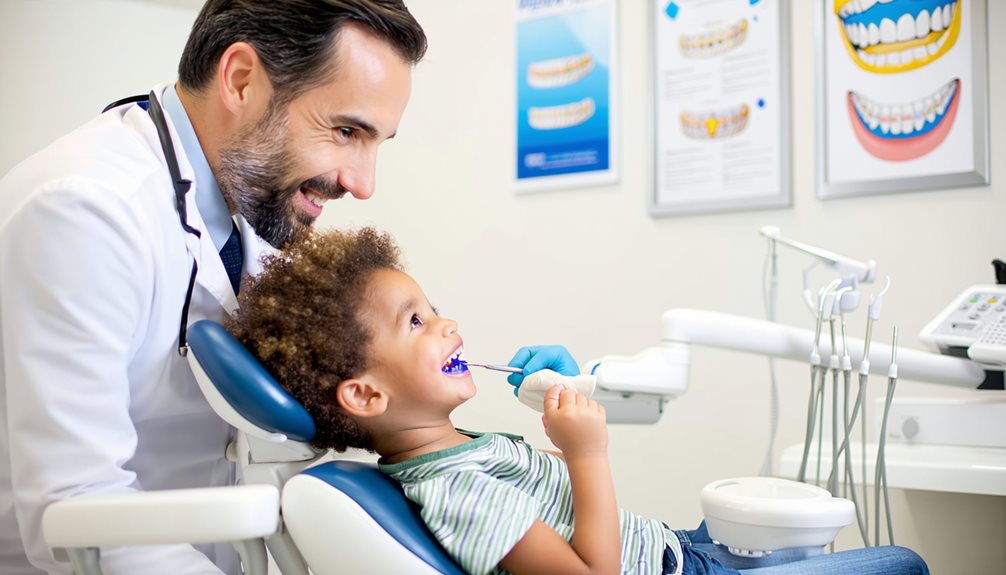
When choosing a pediatric orthodontist, begin by verifying their qualifications and credentials, including board certification and specialized training in pediatric care. This guarantees adherence to high practice standards. Next, evaluate the office environment for cleanliness, infection control, and a child-friendly atmosphere that makes young patients feel at ease. Such an environment fosters trust and positive interactions. Additionally, consider the range of treatment options offered, like interceptive orthodontics and clear aligners, that prioritize comfort and cater to individual dental growth patterns. For those seeking a more thorough understanding of pediatric orthodontic selection, further insights await.
Check Qualifications and Experience
When selecting a pediatric orthodontist, it is crucial to thoroughly evaluate their qualifications and experience to guarantee peak care for your child. The process begins with meticulous credentials verification, verifying the orthodontist has completed accredited educational programs and possesses the necessary certifications. A board-certified orthodontist signifies adherence to a high standard of practice, having undergone rigorous examinations that validate their expertise.
Equally important is specialist training, which distinguishes a pediatric orthodontist from general practitioners. Such training typically involves additional years of focused education, honing skills specific to the unique dental and facial development needs of children and adolescents. This advanced training guarantees that the orthodontist is equipped to address complex cases with innovative techniques and cutting-edge technology.
Evaluating the orthodontist’s practical experience offers further insights into their proficiency. Consider the number of years they have been practicing in pediatric orthodontics and their track record with similar cases.
Patient testimonials and reviews can be instrumental in evaluating their reputation and success rates. A commitment to continuous professional development is also a hallmark of a forward-thinking practitioner, reflecting their dedication to integrating the latest advancements in orthodontic care for enhanced patient outcomes.
Evaluate Office Environment
In addition to evaluating qualifications and experience, scrutinizing the office environment of a pediatric orthodontist is a vital aspect of ensuring quality care. A meticulously maintained office environment not only reflects the orthodontist’s commitment to excellence but also enhances the overall patient experience.
Office cleanliness is paramount; it is a direct indicator of the practice’s adherence to infection control protocols and hygiene standards. A clean, organized space minimizes the risk of cross-contamination and fosters a sense of safety and comfort for both pediatric patients and their guardians.
Beyond cleanliness, staff friendliness plays an essential role in shaping the patient’s experience.
The demeanor of the office staff is integral in creating a welcoming atmosphere that encourages young patients to feel at ease. Friendly, approachable staff can greatly alleviate the anxiety often associated with orthodontic treatment, thereby improving patient cooperation and satisfaction.Innovative practices often incorporate cutting-edge technology and design elements to create an engaging environment for children, enhancing their overall experience.
A pediatric orthodontic office that prioritizes both office cleanliness and staff friendliness effectively sets a foundation for positive patient interactions, fostering trust and encouraging a long-term commitment to oral health.
Consider Treatment Options
Selecting appropriate treatment options is a critical component of pediatric orthodontic care, requiring a thorough understanding of the various methodologies available to address specific dental issues. Orthodontists must evaluate each child’s unique dental anatomy and growth patterns to tailor a treatment plan that guarantees ideal outcomes and patient comfort.
Advanced treatment approaches, such as interceptive orthodontics and clear aligners, offer innovative solutions that cater to both aesthetic preferences and functional requirements. Interceptive orthodontics, for instance, involves strategic intervention at an early age to guide jaw growth and tooth eruption, potentially minimizing the need for more extensive treatment later.
Clear aligners provide a discreet and comfortable alternative to traditional braces, appealing to both parents and children concerned with appearance and ease of use. These aligners are designed using cutting-edge technology, offering precision and adaptability as the child’s dental structure evolves.
Considering the psychological and emotional needs of young patients is paramount, as patient comfort influences compliance and overall treatment success. By selecting a pediatric orthodontist well-versed in diverse treatment approaches and focused on patient-centric care, parents can guarantee their child receives innovative and effective orthodontic solutions tailored to their specific needs.
Frequently Asked Questions
What Is the Average Cost of Pediatric Orthodontic Treatment?
The average treatment costs for pediatric orthodontics vary widely, ranging from $3,000 to $7,000. Insurance coverage options often influence expenses, potentially lowering out-of-pocket costs. Patients should explore innovative financing solutions to optimize affordability and accessibility.
Do Pediatric Orthodontists Offer Payment Plans or Financing Options?
Pediatric orthodontists often provide flexible payment plans and financing options to manage treatment costs. These options can be tailored to fit individual needs, ensuring accessibility while considering insurance coverage, thereby fostering innovative, patient-focused financial solutions.
How Often Should My Child Visit the Orthodontist During Treatment?
Orthodontic visit frequency typically ranges from every 4 to 8 weeks, contingent upon treatment progress evaluation. These appointments are essential for monitoring alignment, adjusting appliances, and ensuring ideal results, fostering innovative and patient-focused orthodontic care.
Are There Specific Age Recommendations for Starting Orthodontic Treatment?
Orthodontic treatment often starts between ages 7 and 14, aligning with critical age milestones for dental development. Early intervention can address issues more effectively, leveraging innovative techniques to optimize outcomes and enhance your child’s orthodontic journey.
How Can I Help My Child Maintain Oral Hygiene With Braces?
To assist your child in maintaining oral hygiene with braces, emphasize proper brushing techniques, such as using interdental brushes, and innovative flossing tips, including floss threaders, to guarantee effective plaque removal and prevent dental complications.
Conclusion
In summary, selecting an appropriate pediatric orthodontist necessitates a thorough assessment of qualifications and professional experience to guarantee high-quality care. Evaluating the office environment is vital for determining whether it supports a child-friendly atmosphere conducive to effective treatment. Additionally, considering the range of available treatment options is essential to tailor interventions to the specific needs of patients. Prioritizing these factors will enhance the likelihood of achieving ideal orthodontic outcomes for pediatric patients, thereby promoting long-term oral health.

